Boutique Hotel Design: Principles for Hotels and Bars Guests Remember
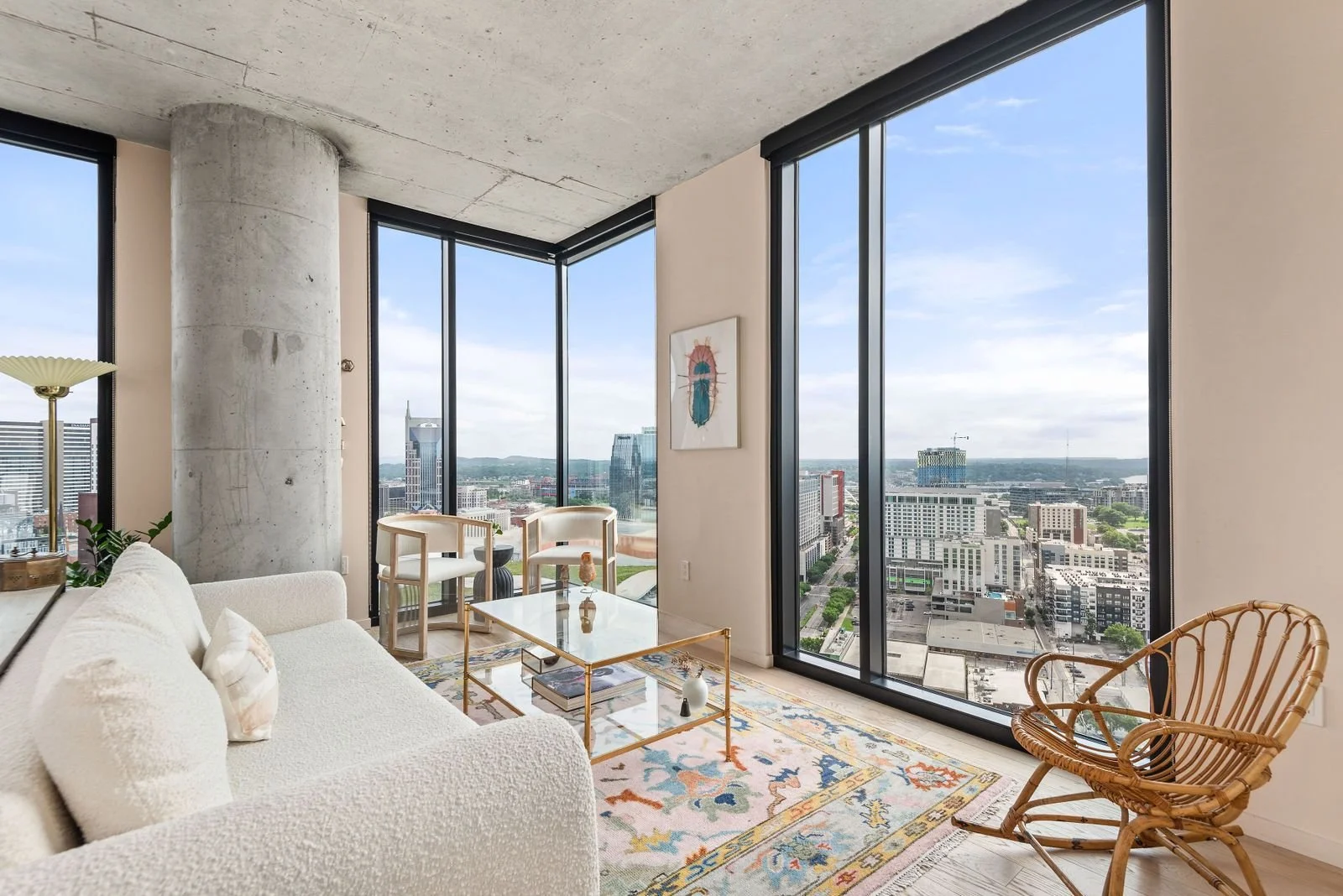
A boutique hotel is judged in the first thirty seconds and remembered for the details. Guests rarely describe a stay by its square footage. They talk about the way the lobby smelled, the light in the bar, the chair by the window, the tile in the shower. Good boutique hotel interior design is the discipline of getting those moments right while making sure the building still works on a sold-out Saturday night.
Here are the principles we bring to boutique hotels, bars and hospitality spaces at Evane Stoner Interiors.
1. Design the arrival sequence
Arrival is not one room. It is a sequence: the street, the door, the first view inside, the check-in, the walk to the elevator, the corridor, the room door and the first look at the room. Each step should feel like it is leading somewhere.
- The threshold. Lighting and signage that make the entrance obvious and welcoming after dark.
- The first view. Something to look at the moment the door opens, such as a fireplace, a bar back, a striking light or a piece of art.
- Check-in. Keep it human-scaled. A desk that feels like a host stand sets a different tone than a counter built for a line.
- Corridors. Often the most neglected space in a hotel. Lighting, carpet pattern and room-door details can make them part of the experience.
2. Guest rooms have to survive
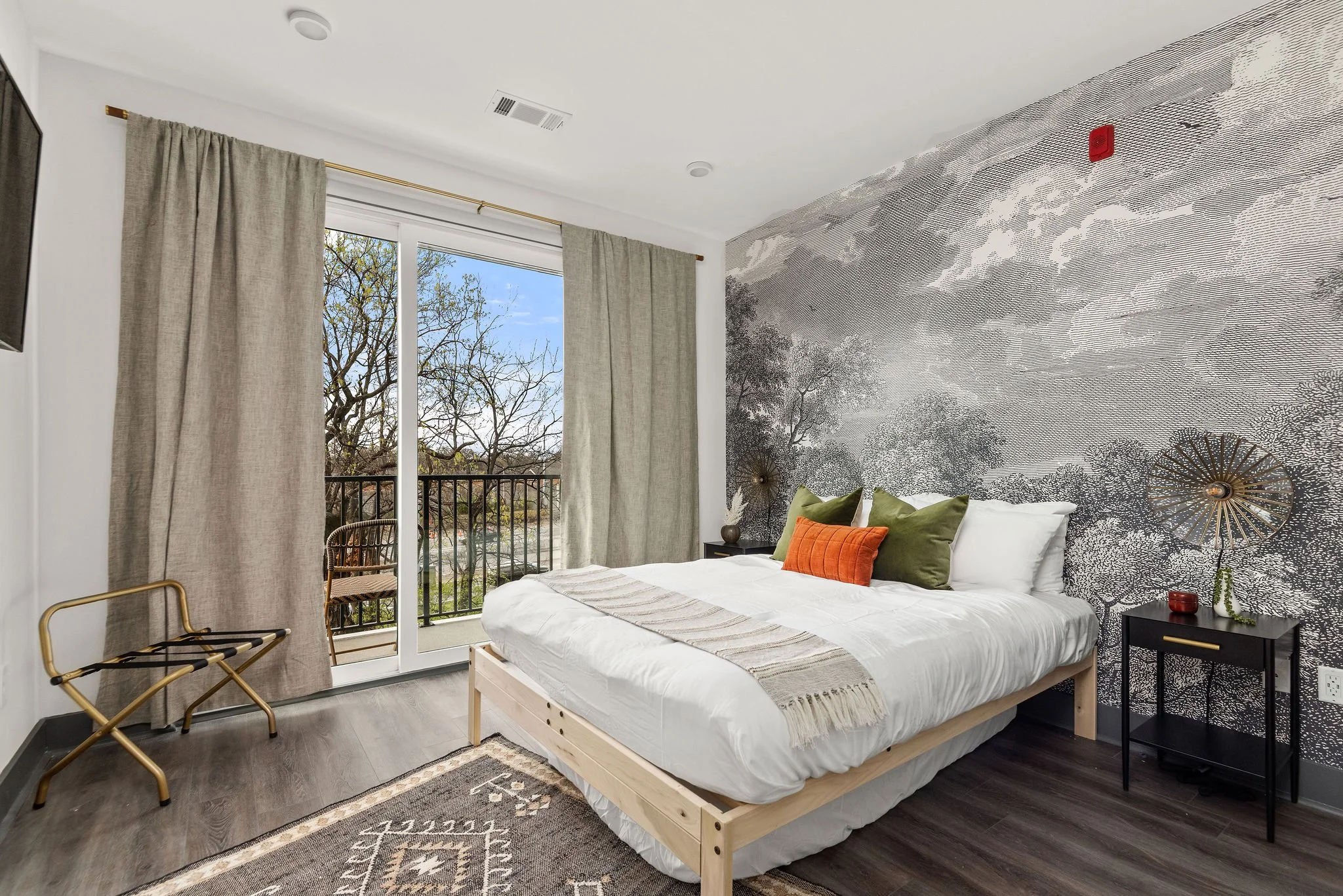
The guest room is where the brand promise meets reality. It needs to look beautiful in photos and keep looking beautiful after constant use and fast housekeeping turns.
- Choose contract-grade or performance fabrics for upholstery, headboards and drapery.
- Protect wall corners and the areas behind luggage racks and desk chairs.
- Specify case goods with durable finishes and edges that resist chipping.
- Design for housekeeping: furniture that is easy to clean around and under, and fewer loose accessories.
- Put outlets and USB charging where guests actually want them, beside the bed and at the desk.
Durability does not mean bland. It means choosing beautiful materials that are also tough, and putting the delicate, special things where they will not be handled constantly.
3. Layer the lighting
Lighting does more to set the mood of a hospitality space than almost any other decision. A single overhead system makes every room feel like an office. Instead, plan layers:
- Ambient light for general visibility, kept soft.
- Accent light on art, the bar back, architectural features and plants.
- Task light at check-in, reading spots, vanities and work surfaces.
- Decorative light such as pendants, sconces and lamps that add character and sparkle.
Plan dimming scenes for different times of day. A lobby bar should feel different at noon than at 10 p.m. In guest rooms, give guests simple, intuitive controls and a clear way to turn everything off from bed.
4. Take acoustics seriously
Hard, beautiful surfaces such as stone, tile, glass, plaster and wood floors bounce sound. Too many of them and a bar becomes a place where nobody can hear each other, and a guest room becomes a place where nobody sleeps.
Work acoustic absorption into the design rather than adding it later: upholstered seating, banquettes, heavy drapery, rugs, acoustic ceiling treatments and wall panels wrapped in fabric. Between guest rooms and corridors, door seals and wall construction matter, which is why coordinating with the architect and contractor early is so important.
5. Tell the brand story through materials
The strongest boutique hotels feel like they could only exist in one place. That sense of place comes from materials more than signage. Think about what is local, what has history and what connects to the story the hotel is telling: a regional stone, reclaimed wood from the building itself, textiles from local makers, art by local artists, colors pulled from the neighborhood.
Repeat key materials through the property so the story holds together, and vary how they are used so it never feels repetitive. A terracotta color might appear as plaster in the bar, as tile in the bathrooms and as a thread in the corridor carpet.
6. Respect back-of-house realities
Guests never see back-of-house, but they feel it. If housekeeping cannot store linens near the rooms, if the bar does not have enough under-counter space, or if servers have to cross the lobby to reach the kitchen, the experience suffers.
- Talk to operations early, ideally with the general manager or bar manager who will run the space.
- Plan service paths so staff move efficiently without crossing guest flow.
- Give housekeeping storage, linen and supply space on guest floors.
- Design the bar from the bartender's side first: wells, ice, glass storage, sinks and sight lines to the room.
- Choose finishes the maintenance team can repair or replace.
Our article on writing a hospitality design brief covers the questions to answer before design begins.
7. Create photographable moments
Guests share their stays, and those images shape how others see the property. Design a handful of moments that photograph well: a signature wallcovering, a dramatic bar, a striking light fixture, a bathroom with a memorable tile, a corner with a view. They should feel natural, not staged, and they should all tell the same story.
Light them well. A beautiful wall in shadow will not show up in anyone's photos.
8. Plan furniture for real behavior
Watch how people actually use a lobby or bar and design for it. Guests perch on arms of sofas, pull chairs into circles, work from the bar with a laptop and linger near windows. Give them movable lounge chairs, side tables within reach of every seat, laptop-friendly perches with power nearby and a few high-backed pieces that create a sense of privacy in a busy room. Furniture that flexes with the crowd keeps a space feeling full at noon and comfortable at midnight.
Bar interior design: a few specifics
Bars compress all of the above into one room. Offer a mix of seating, including bar stools, low lounge chairs, banquettes and a communal table, so the room works for a solo drink and a group celebration. Put the warmest light on faces and on the bar back. Make the bar top a material that feels good under the hand and stands up to spills. Give the room one element people will remember, and let everything else support it.
Working with a hotel interior designer
The best hospitality projects bring the designer in early, while layout and concept are still flexible. At ESI, we develop the design plan, select finishes and furnishings and source through trade vendor accounts once the plan is approved. We are not architects; structural and architectural work is handled by the appropriate licensed professionals, and we coordinate our design with that team. Learn more about our hospitality interior design services and our design process, or browse our projects.
Planning a boutique hotel, bar or restaurant? Contact Evane Stoner Interiors to start your project, and tell us about the story you want your space to tell.
Frequently asked questions
What makes boutique hotel interior design different from a chain hotel?
A boutique hotel is designed around a specific story, place and guest, rather than a standardized brand template. Every material, light fixture and room layout can express that identity, but it still has to meet the durability and operational demands of a working hotel.
When should a hotel interior designer be brought into a project?
As early as possible, ideally while the concept and layout are still flexible. Early involvement lets design, operations and the architect or contractor team coordinate lighting, acoustics, storage and back-of-house needs before they become expensive changes.
How do you design a hotel bar?
Start with how guests and staff move: where people enter, where they sit, how bartenders work. Then layer seating types, put the warmest light on faces and the bar back, manage acoustics so conversation is comfortable, and give the bar one signature element guests remember.
Keep reading
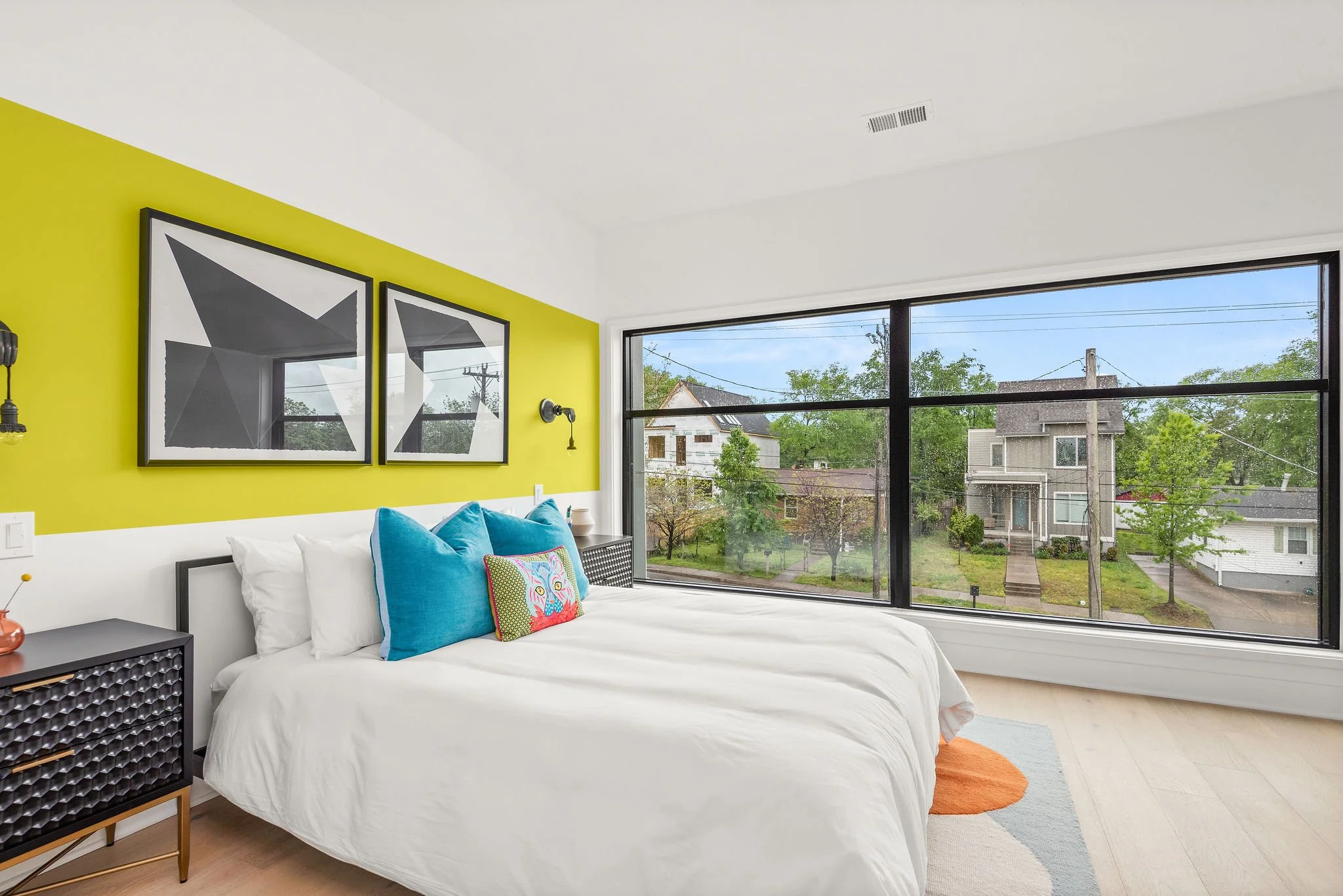
How to Write a Hospitality Interior Design Brief
The best hospitality projects start with a clear brief. Here is what to put in yours, from guest journey to durability, plus a checklist you can work through before your first designer meeting.
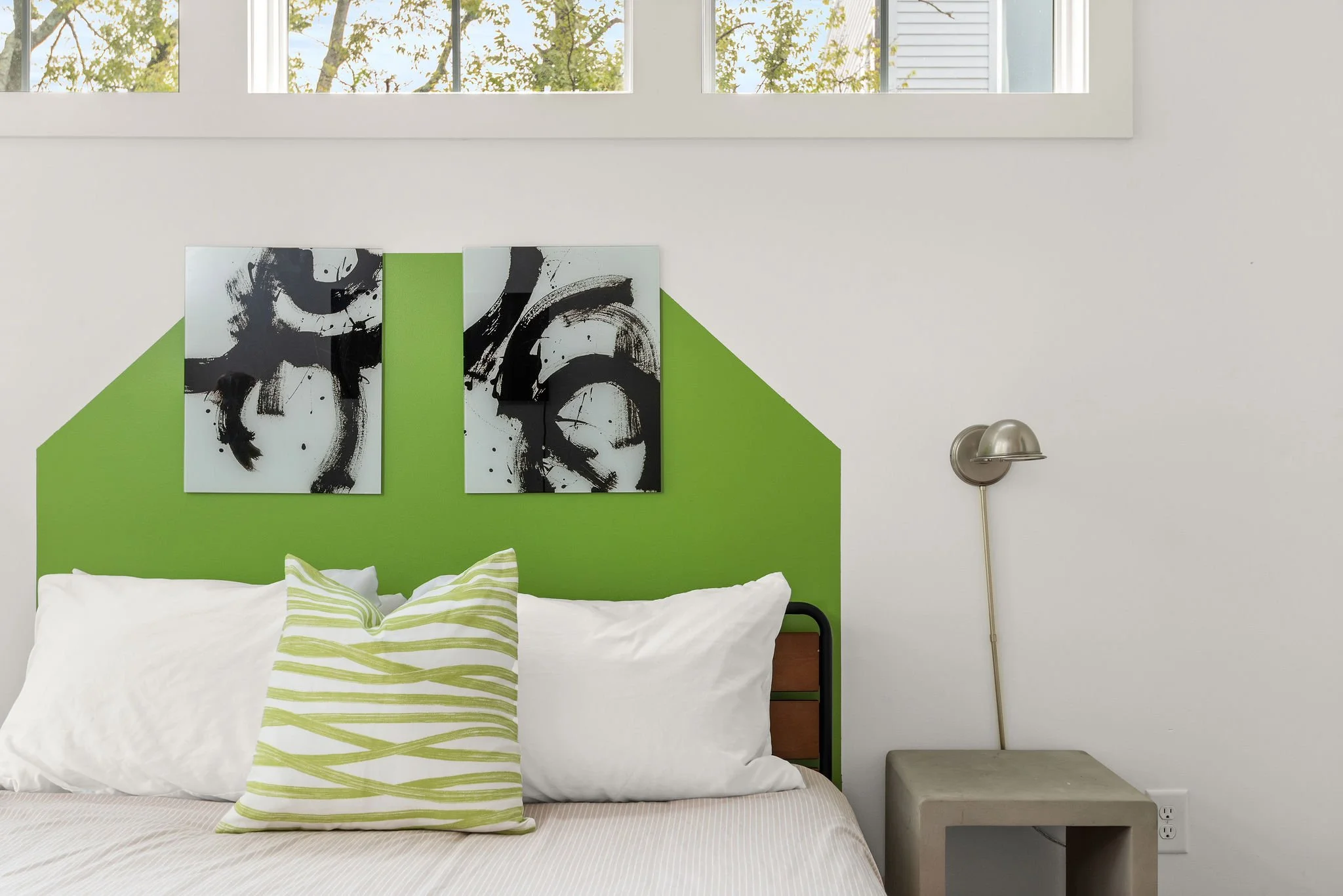
Themed Vacation Rentals in Nashville: How to Feel Authentic, Not Kitschy
A themed Airbnb can be the most memorable stay in a guest's trip or the most forgettable. Here is how we design Nashville themes that feel rooted and real.
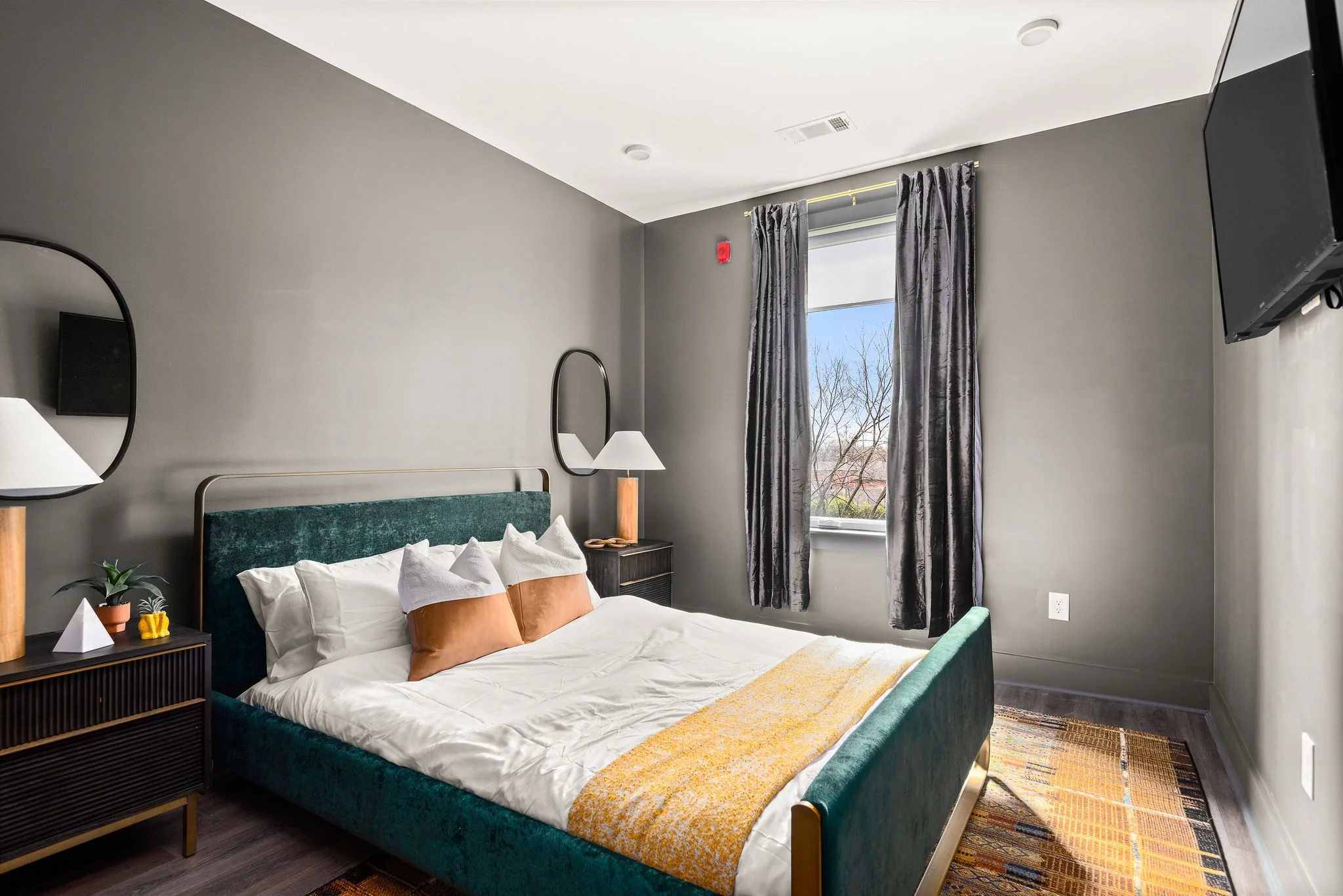
Color Drenching: How to Choose a Color, Pick Your Sheens, and Know Which Rooms Can Take It
Color drenching wraps a room in a single color, walls, trim, ceiling and sometimes doors. Here is how a working designer chooses the color, sets the sheens, and decides which rooms can carry it.