How to Write a Hospitality Interior Design Brief That Gets You the Space You Pictured
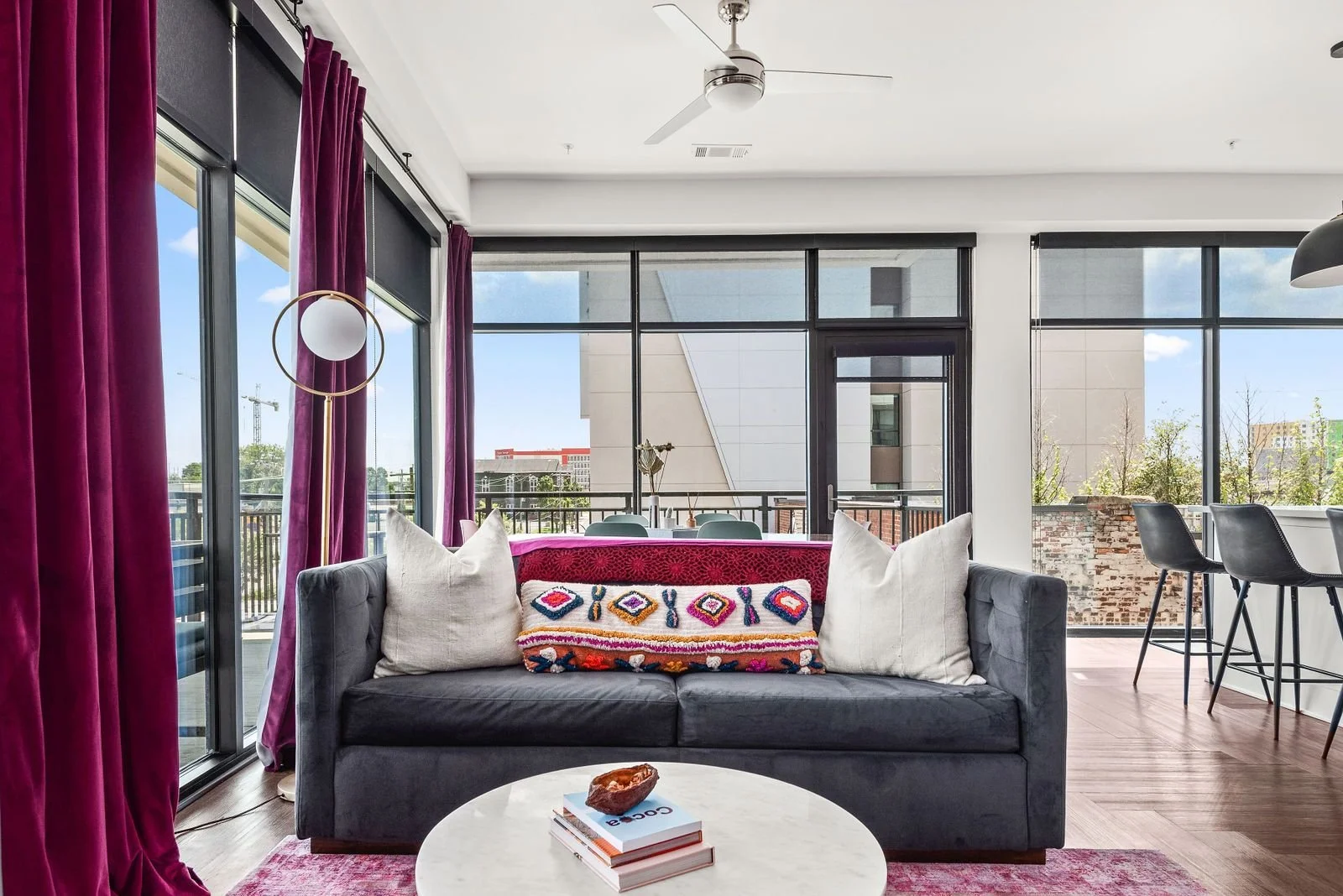
Every hospitality space we love has a point of view. A boutique hotel lobby that makes you want to linger, a bar where the lighting does half the work, a dining room that feels like a night out before the menu arrives. None of that happens by accident, and most of it starts long before anyone picks a paint color. It starts with a brief.
A design brief is the document that tells your designer what you are building, who it is for, and what success looks like. In hospitality interior design, where a space has to look good, work hard and earn its keep, a clear brief is the difference between a room that photographs well and a room that actually performs. Here is how to write one, from a designer's side of the table.
Why the brief matters more in hospitality
Residential design answers to one household. Hospitality design answers to everyone who walks through the door, plus the staff who work there every day, plus the owner who has to keep it running. That is a lot of people to please, and their needs often pull in different directions. Guests want atmosphere. Staff want clear sightlines, durable surfaces and a back-of-house that does not fight them. Owners want something memorable that will hold up.
When those priorities are not written down, they get decided by default, usually halfway through the project and usually at a cost. A brief forces the hard conversations early, while changing your mind still only costs a sketch.
Start with the story, not the style
Most owners open with a look: "industrial," "moody," "Palm Springs." That is useful, but it is the last layer, not the first. Before style, tell your designer the story of the place.
- What is this space, in one sentence? "A twelve-room boutique hotel for weekend travelers who want to feel like they live in East Nashville." That sentence will guide more decisions than any mood board.
- Who is the guest? Age, reason for visiting, how long they stay, whether they are with a partner, a bachelorette party or a work team. Be specific.
- How should they feel? Pick three or four words and rank them. "Warm, a little glamorous, unfussy" leads to very different choices than "bold, playful, social."
- Why here? Nashville has its own textures and history. If your space should feel rooted in a neighborhood or a piece of the city's story, say so. That local thread is often what separates boutique hotel interior design from a chain that could be anywhere.
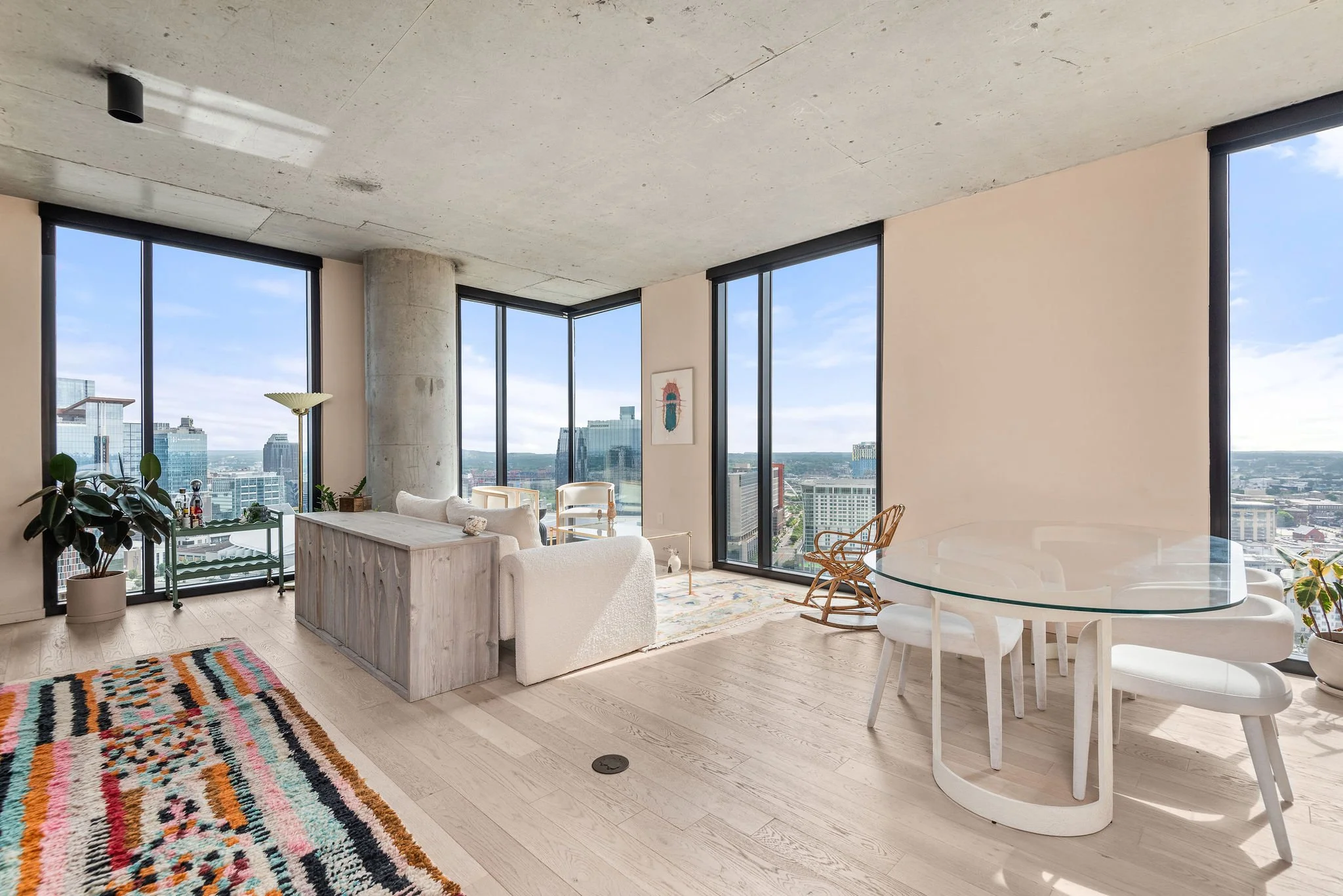
Walk the guest journey
The most useful section of any hospitality brief is a walk-through. Close your eyes and follow a guest from the sidewalk to the moment they leave. Where do they first see the sign? What greets them at the door? Where do they wait, and for how long? Where do they sit, what do they touch, where do they take a photo?
Write it down in order. For a restaurant, that might be arrival, host stand, bar wait, table, restroom, exit. For a hotel, it might be curb, check-in, elevator or stair, corridor, room, bathroom, and back down to the lobby bar. For an event or experiential space, it might be the line outside, the reveal, the main room and the photo moment.
Each stop is a design opportunity and a potential friction point. Your designer cannot fix friction they do not know about, so mention the things that bug you now: the cramped entry, the restroom line that spills into the dining room, the corner nobody sits in.
Be honest about operations
This is where good hospitality design gets practical. Your brief should cover how the space actually runs.
- Capacity and layout targets. Seats, rooms, standing capacity for events, bar stools. If you have a number you need to hit, lead with it.
- Service flow. Where do servers travel? Where does product get delivered? Where do staff take a break?
- Cleaning and maintenance. Who cleans, how often, and with what? A beautiful velvet banquette is a poor choice if it gets sprayed down with harsh chemicals every night.
- Hours and light. A space that serves brunch and late-night cocktails needs lighting that can shift. Note when you are busiest and what the room should feel like at each hour.
- Durability expectations. Commercial spaces take more abuse in a month than a living room takes in years. Tell your designer what tends to break, stain or wear out.
Name your constraints up front
Constraints are not the enemy of good design. Hidden constraints are. Put these in your brief, even if the answer is "not sure yet."
- Budget. A working number for the overall project and, if you know it, for furniture and finishes. It helps a designer decide where to splurge and where to be smart.
- Timeline. Opening date, soft-launch date, seasonal deadlines. Custom pieces and trade orders take time, so earlier is better.
- The building. Lease terms, landlord restrictions, historic district rules, what can and cannot be altered.
- Your team. Who is your architect or contractor, if you have one? Interior designers are not a substitute for an architect on structural or code work. At Evane Stoner Interiors, we do not provide architecture and we recommend contractors rather than managing them unless that is agreed in writing, so it helps to know early who else is at the table.
- Permits and approvals. Owners are typically responsible for permits, HOA or landlord sign-off. Flag anything you already know you will need.
Show, then explain
Reference images are a must, but a folder of photos without notes is a guessing game. For each image, write one line: "I love the lighting, not the chairs." "This bar top height." "This feeling, but warmer." Include a few things you dislike, too. Knowing what you do not want saves a surprising amount of time.
Your hospitality design brief checklist
Copy this list into a document and work through it. You do not need perfect answers. A rough draft is plenty to start a productive first conversation.
- One-sentence description of the space and what makes it different.
- Your guest: who they are, why they come, how long they stay.
- Three to four feeling words, ranked in order of priority.
- Any local story, neighborhood or Nashville connection you want the space to carry.
- A step-by-step guest journey from arrival to exit.
- Current pain points in the space, if it already exists.
- Capacity targets: seats, rooms, standing room, bar positions.
- Service and staff flow, including deliveries and back-of-house.
- Cleaning routines and products used.
- Operating hours and how the mood should change through the day.
- Items that wear out or break most often.
- Working budget, overall and for furnishings and finishes.
- Key dates: opening, soft launch, seasonal deadlines.
- Building, lease, landlord or historic restrictions.
- Your architect, contractor or other team members, if any.
- Permits or approvals you expect to need.
- Reference images with a one-line note on each, plus a few you dislike.
- Your definition of success one year after opening.
What happens after the brief
Once your brief is in hand, the designer's job is to turn it into a plan. At ESI, that means a Design Plan presented to you, followed by up to two rounds of revisions so the plan reflects how your business really works. After the plan is approved, we can source and purchase furnishings and materials through trade-exclusive vendor accounts. You can see how each step fits together on our design process page.
If you are still deciding what kind of help you need, our guides to boutique hotel design and the difference between an interior designer and a decorator are good next reads.
Frequently asked questions
How long should a hospitality design brief be?
Long enough to answer the questions in the checklist, and short enough that someone can read it in one sitting. For most boutique hotels, bars and restaurants that is a few pages plus a folder of reference images.
Do I need a finished brief before I contact a designer?
No. A rough draft is enough to start the conversation. A good designer will help you sharpen it during the consultation and the early design phase.
Should my brief include a budget?
Yes. Even a working number helps a designer recommend where to invest and where to save, and it keeps the Design Plan grounded in what you can actually build.
Have a hotel, bar, restaurant or event space taking shape? Bring your brief, rough or polished, and let's talk through it. Learn more about our hospitality interior design services, or reach out to start your project.
Keep reading
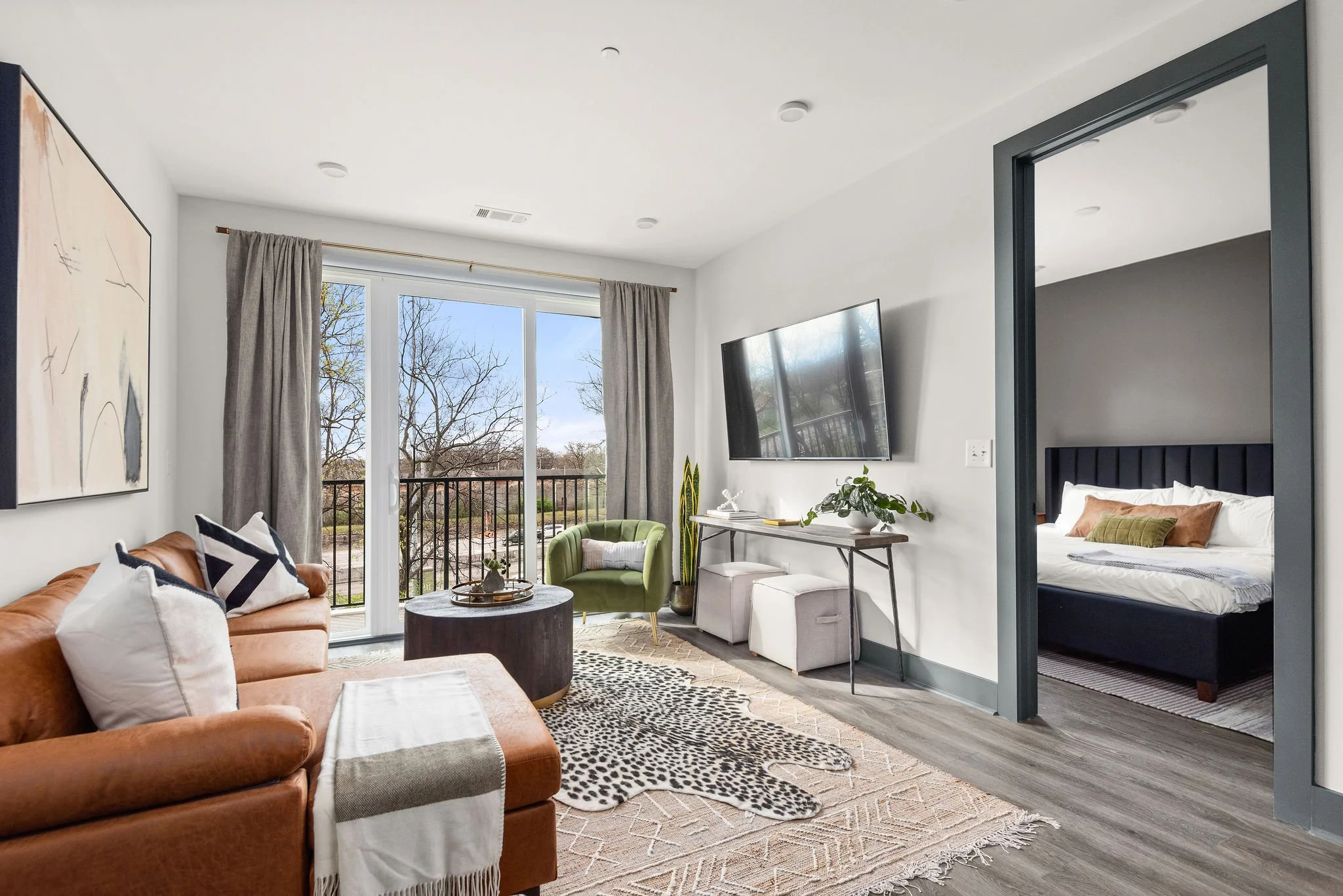
Boutique Hotel Design: Principles for Hotels and Bars That Guests Remember
A boutique hotel is judged in the first thirty seconds and remembered for the details. Here are the design principles we use for boutique hotels, bars and hospitality spaces.
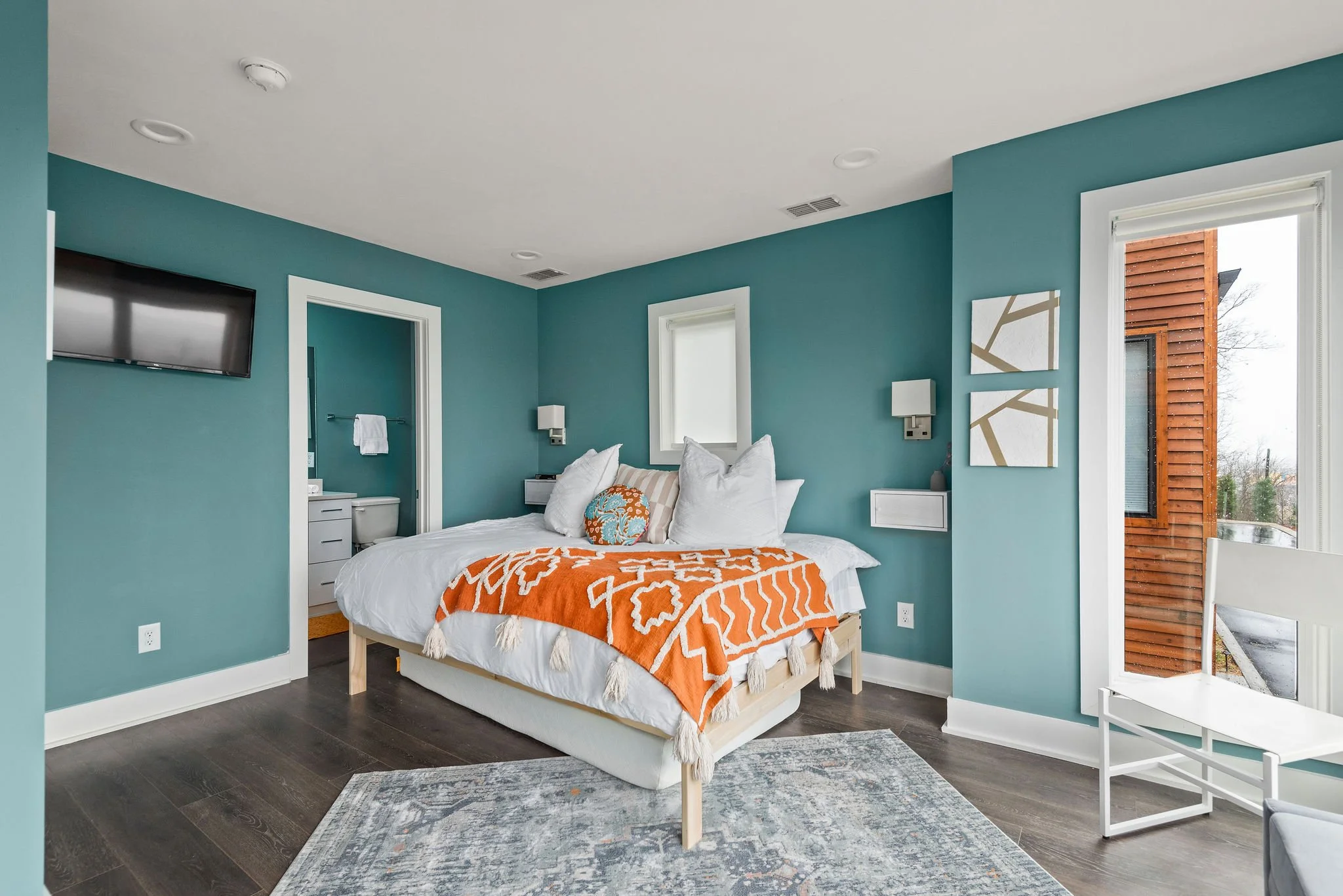
Themed Vacation Rentals in Nashville: How to Feel Authentic, Not Kitschy
A themed Airbnb can be the most memorable stay in a guest's trip or the most forgettable. Here is how we design Nashville themes that feel rooted and real.
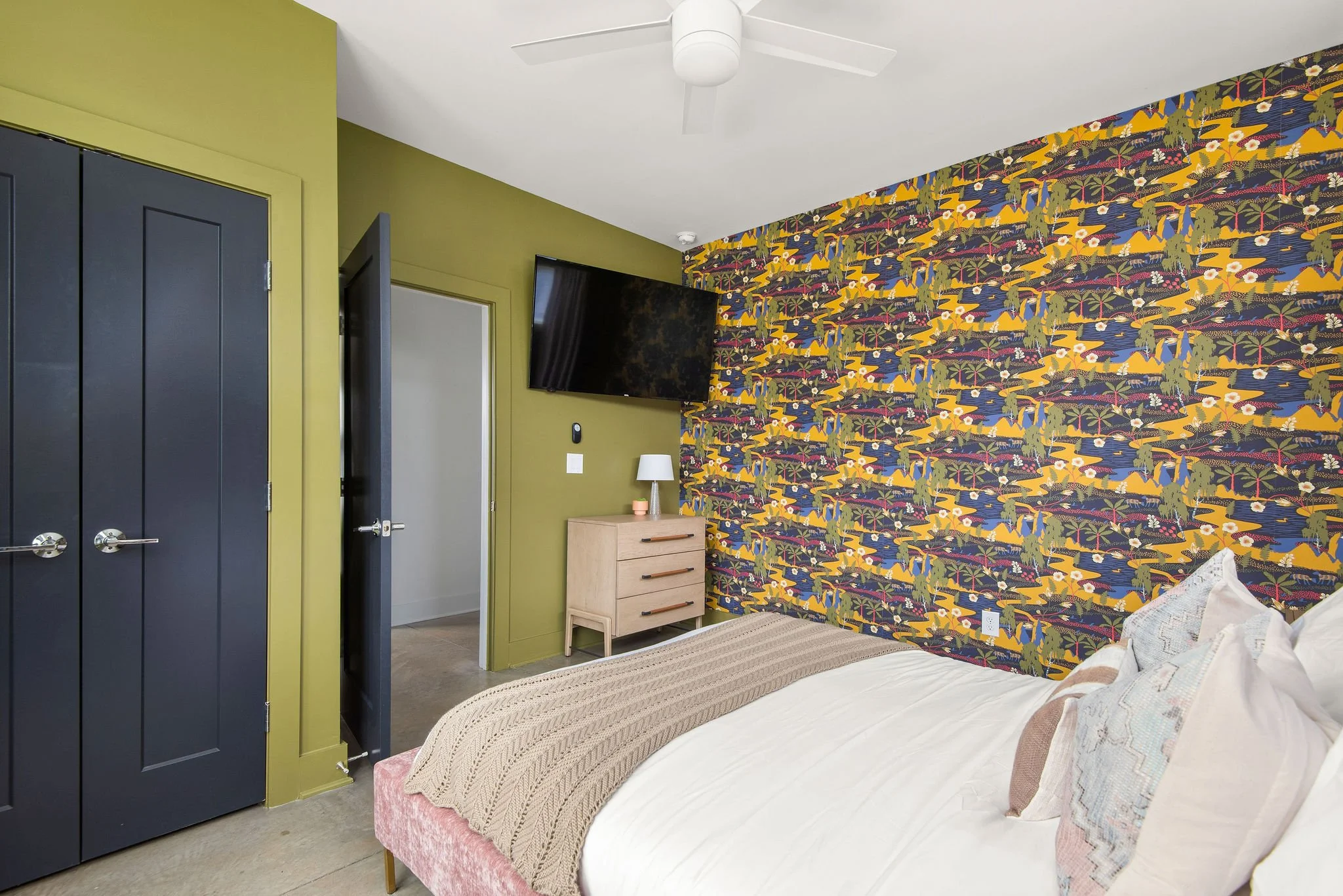
Color Drenching: How to Choose a Color, Pick Your Sheens, and Know Which Rooms Can Take It
Color drenching wraps a room in a single color, walls, trim, ceiling and sometimes doors. Here is how a working designer chooses the color, sets the sheens, and decides which rooms can carry it.