Designing Interiors for a Historic Nashville Home Without Erasing Its Character
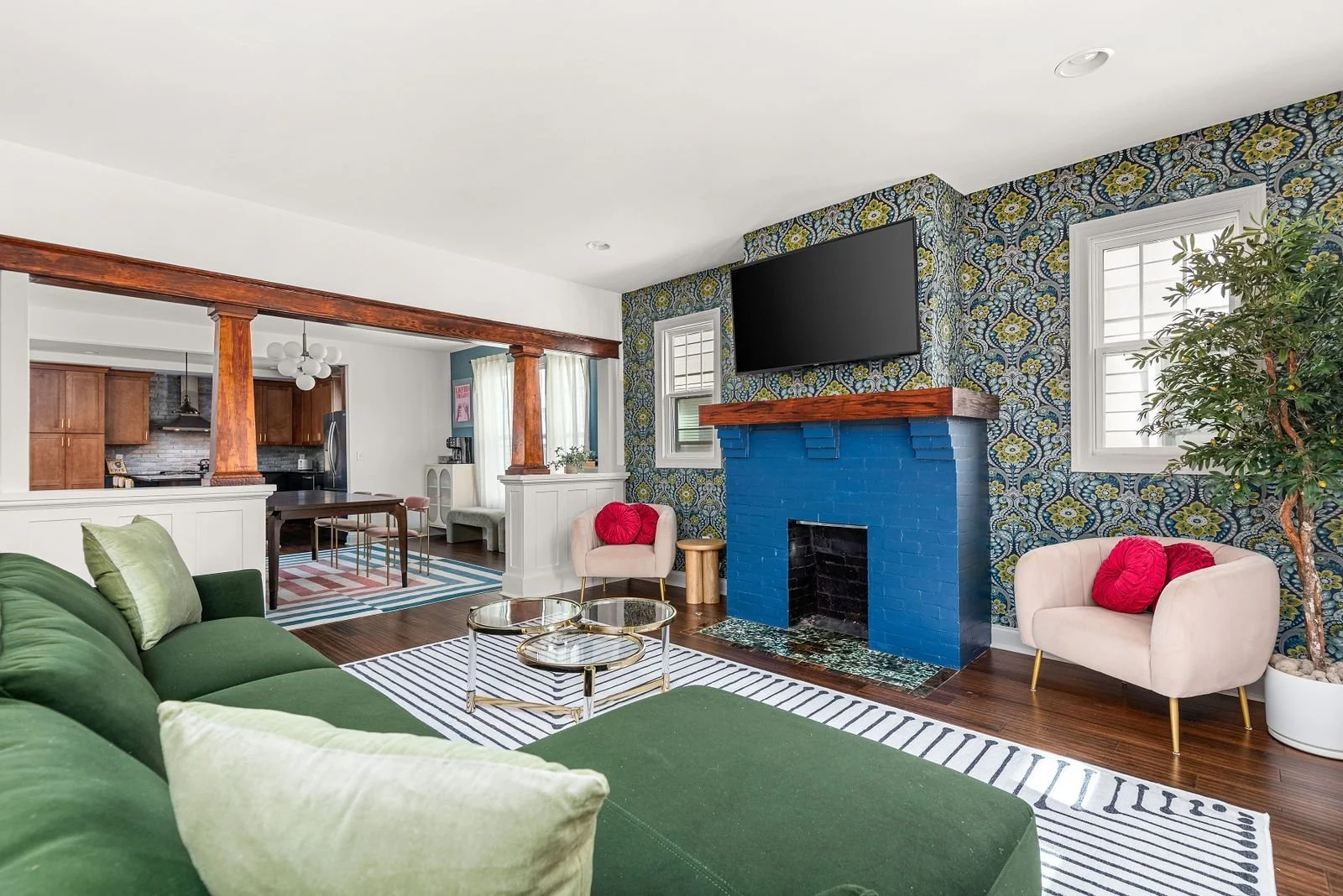
Nashville's older neighborhoods are full of houses with a point of view. Craftsman bungalows with deep porches and tapered columns. Victorians with tall ceilings and layered trim. Tudors with arched doorways and steep rooflines. Mid-century ranches with long, low lines and walls of glass. Each one has a personality, and the goal of good historic home interior design is to make the house work for the way you live now without sanding that personality away.
Evane grew up in Nashville, and some of our favorite work is in these homes. Here is how we approach them.
Start by reading the house
Before choosing a single finish, walk the house and figure out what is original, what was a sympathetic later change and what was a well-meant mistake. Look at the trim profiles, the door hardware, the floor material, the window style and the fireplace. Old houses usually tell you what they want if you spend some time with them.
Then decide what you are protecting. In most historic homes the short list is the millwork, the floors, the windows, the fireplace and the overall proportion of the rooms. Those are hard or impossible to replace convincingly. Paint, lighting, furniture, fabrics and even kitchens can change with each generation.
Know the style you are working with
Craftsman bungalows
A craftsman home interior is about honest materials and handwork: stained wood trim, built-in bookcases and benches, beamed ceilings, simple tapered profiles and earthy color. Design for it with warm woods, hand-thrown ceramics, wool and linen, and art-glass or simple metal lighting. Avoid anything too glossy or overly ornate.
Victorian homes
Victorians reward layering. Tall ceilings, picture rails and decorative trim can carry pattern, deep color and more furniture than a modern room. The trick is editing: choose a few rich moments, such as a wallpapered entry or a dark-toned parlor, and let other rooms breathe.
Tudors
Tudor interiors often have arched openings, plaster walls, leaded glass and sometimes exposed beams. They suit warm, slightly moody palettes, aged brass and iron, and furniture with some heft. Soft, layered lighting matters here because the rooms can read dark.
Mid-century homes
Mid-century houses are historic too, even if they do not always get treated that way. Protect the long sight lines, original wood paneling, terrazzo or wood floors and big windows. Furniture should be low and clean-lined; color can be bolder than you might expect.
Millwork: protect it first
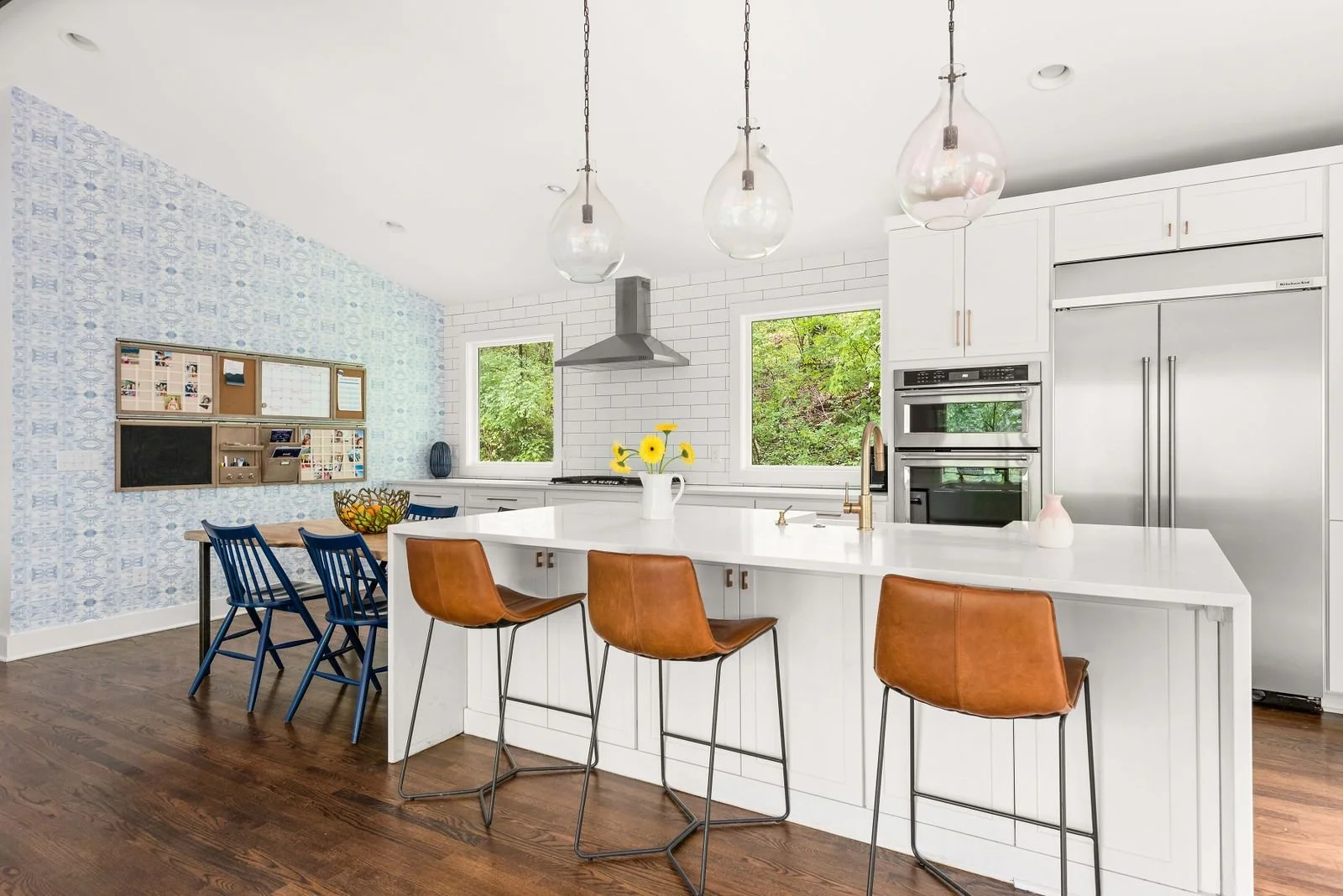
Original trim, built-ins, wainscoting and paneling are often the soul of a historic room. If they are stained and intact, think very carefully before painting them; paint is very hard to reverse, and stained wood is a defining feature of many craftsman homes. If they were painted long ago, you have more freedom, and a thoughtful color can make the profiles sing. Our guide to color drenching explains how painting trim the same color as the walls can highlight millwork without contrast.
If pieces are missing, a good finish carpenter can often match a profile. That is usually better than replacing an entire room's trim with something new.
Floors
Original hardwood is worth saving whenever possible. Refinishing can bring back floors that look hopeless. Choose a stain close to the original tone rather than following the trend of the moment, and accept some character marks; they are part of the age.
Where floors have to be replaced, such as in a kitchen or bath, choose materials that feel right for the era: hex or penny tile for a bungalow bath, checkerboard for a Victorian kitchen, terrazzo-look or cork in a mid-century house.
Lighting
Many historic homes were built before overhead lighting was the norm, or with a single fixture per room. You need more light than that, but resist covering ceilings in recessed cans. Instead, layer it:
- A period-sympathetic ceiling fixture as the room's anchor.
- Wall sconces, which suit almost every historic style.
- Table and floor lamps for warm, low light in the evening.
- Discreet task lighting under kitchen cabinets and in reading spots.
Use warm color temperatures. Cold light makes old plaster and wood look flat.
Kitchens and baths
These are the rooms where historic homes most often need real change, and where it is easiest to go wrong. Aim for a room that feels like it could have evolved with the house.
- Cabinetry: simple inset or shaker-style doors suit most older homes better than slab fronts, unless the house is mid-century.
- Appliances: panel-ready or understated appliances keep the modern equipment quiet.
- Hardware: unlacquered brass, nickel or iron in shapes appropriate to the era.
- Tile and stone: classic sizes and patterns age better than the newest formats.
- Baths: a pedestal sink, a clawfoot or simple apron tub and period-style fixtures can sit beside a modern shower and good ventilation.
Color
Historic homes generally look best in colors with some complexity: muted greens, deep blues, warm whites, clay and ochre. Very bright, cool whites can make old rooms feel stark. Consider how colors flow from room to room, since older floor plans are often a series of connected rooms rather than one open space.
Mixing antiques with modern pieces
A historic house does not need to be furnished like a museum. The most livable rooms mix eras: an antique chest beside a contemporary sofa, a vintage rug under a modern dining table, old portraits with new lamps. Give each piece room to be seen, and look for a common thread such as wood tone, color or shape so the mix feels intentional.
Comfort comes first. Sofas and beds should be new and supportive; case goods, mirrors, art and accent chairs are where antiques shine.
What an interior designer does, and doesn't do
Our role is the interior: layout, finishes, lighting plans, furnishings and how each room works. ESI is not an architect and does not provide architectural services. Structural changes, moving walls, additions and other permitted work require the appropriate licensed professionals, and our drawings are conceptual design intent rather than construction documents. Homeowners are responsible for permits and HOA approvals, including any historic overlay review that applies to their property. We can recommend contractors, and we coordinate our design with the team you hire. You can read more about how that works on our process page, or in our piece on interior designers versus decorators.
A few mistakes to avoid
- Removing original features to chase an open plan the house was never meant to have.
- Replacing original windows before exploring repair.
- Using one trend-driven finish everywhere, which dates the whole house at once.
- Over-theming. A craftsman home does not need every piece to be craftsman.
If you live in a historic Nashville home and want it to feel like itself again, only more comfortable, our residential interior design team would be glad to help. Get in touch to start your project.
Frequently asked questions
Should I paint original stained woodwork in a craftsman home?
Think carefully before you do. Original stained millwork is one of the defining features of a craftsman interior, and paint is very hard to reverse. If the wood is in rough shape, refinishing is often worth exploring first. Painted trim that was already painted is a different story.
Can an interior designer handle structural changes in a historic home?
Interior designers plan layout, finishes, lighting, furnishings and how rooms work, but structural, architectural and permitted work requires the appropriate licensed professionals. Homeowners are responsible for permits and HOA or historic-overlay approvals.
How do I modernize a historic kitchen without losing its character?
Keep the modern equipment quiet and let the character come from cabinetry style, hardware, lighting and materials that suit the era of the house. Panel-ready appliances, simple period-appropriate cabinet profiles and a classic tile go a long way.
Keep reading
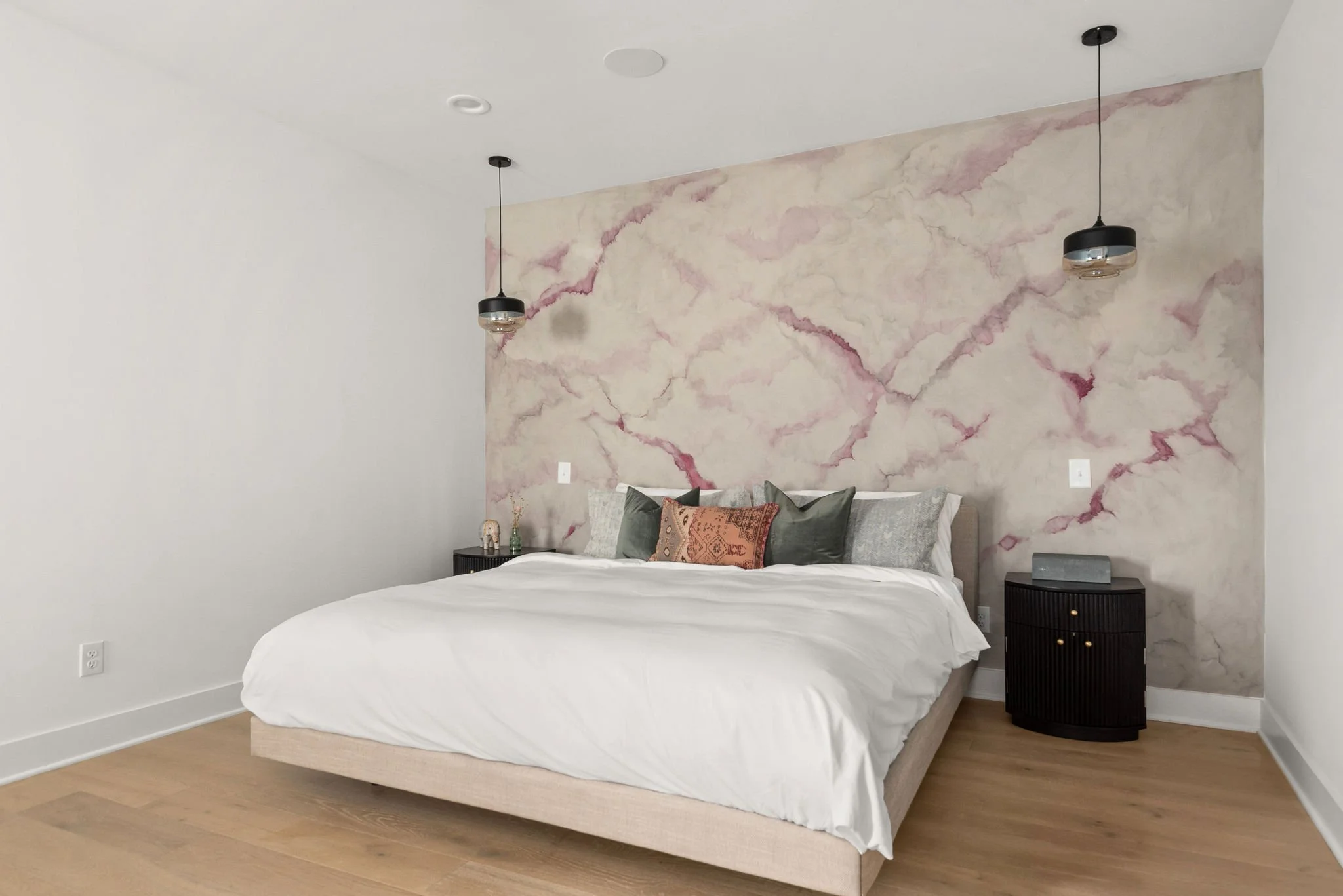
Color Drenching: How to Choose a Color, Pick Your Sheens, and Know Which Rooms Can Take It
Color drenching wraps a room in a single color, walls, trim, ceiling and sometimes doors. Here is how a working designer chooses the color, sets the sheens, and decides which rooms can carry it.
Themed Vacation Rentals in Nashville: How to Feel Authentic, Not Kitschy
A themed Airbnb can be the most memorable stay in a guest's trip or the most forgettable. Here is how we design Nashville themes that feel rooted and real.