Home / Journal / Working With a Designer
Working With a DesignerInterior Designer vs. Decorator: What an Interior Designer Actually Does
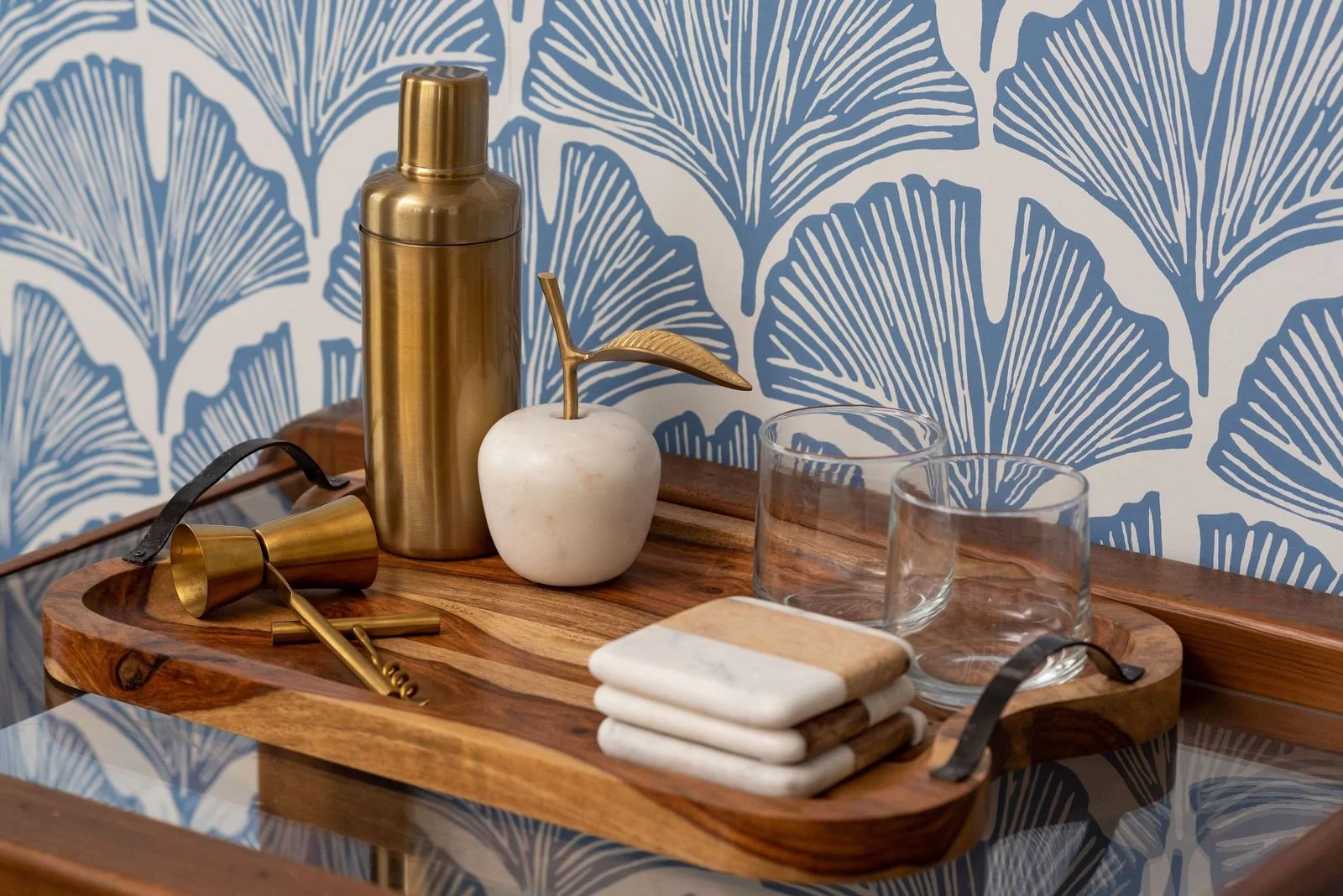
People use "interior designer" and "decorator" interchangeably, and there is real overlap. Both care about how a room looks and feels. But they are not the same job, and knowing the difference helps you hire the right person, set the right expectations and avoid paying for help you do not need, or missing help you do.
The short version
A decorator works with the space as it is. Think paint colors, furniture, fabrics, rugs, art, accessories and styling. Decorators can transform the mood of a room without moving a wall.
An interior designer works on how the space functions as well as how it looks. That includes the layout, how people move through it, lighting, materials, built-in storage and how every decision supports the way the room will actually be used. Decorating is often part of the job, but it sits on top of a plan.
In some states, the title "interior designer" carries specific education or registration requirements. Rules differ by location, so if a credential matters to your project, ask the designer directly about theirs.
What does an interior designer do?
Here is what the work looks like from inside the studio, broken down into the stages most projects move through.
1. Listen and define the problem
Every project starts with questions. Who uses this space? What is not working? What has to stay? What is the budget and timeline? For a vacation rental, it might be guest count and turnover speed. For a restaurant, seat count and service flow. For a family home, where the backpacks land at 3:30 p.m. Our guide to preparing for an interior design consultation covers what to bring.
2. Plan the space
Space planning is where a designer earns their keep. Furniture layouts, circulation, sightlines, how a room flows into the next, where storage lives, where light is needed. Done well, you do not notice it. Done poorly, you bump into it every day.
3. Develop the concept and select materials
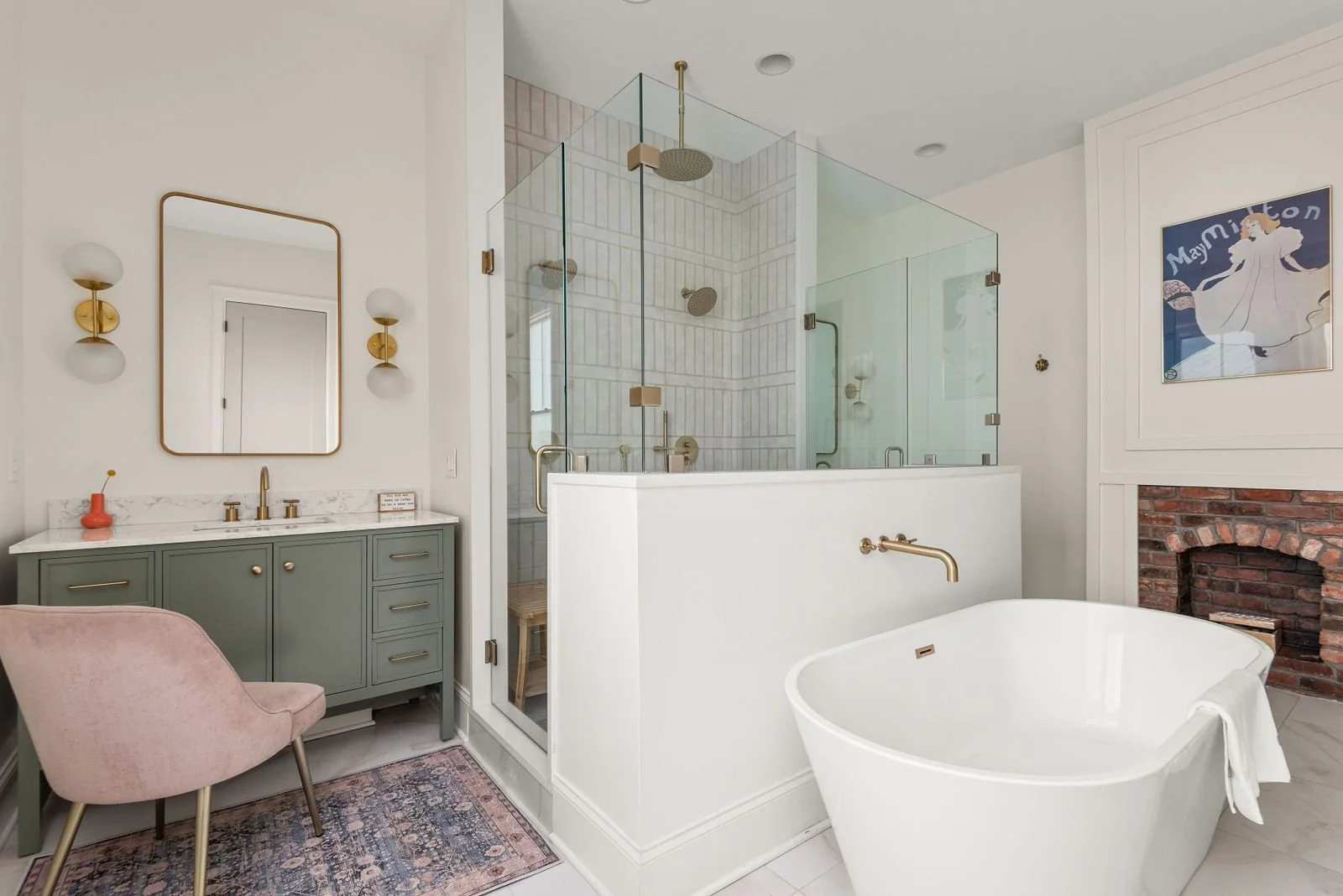
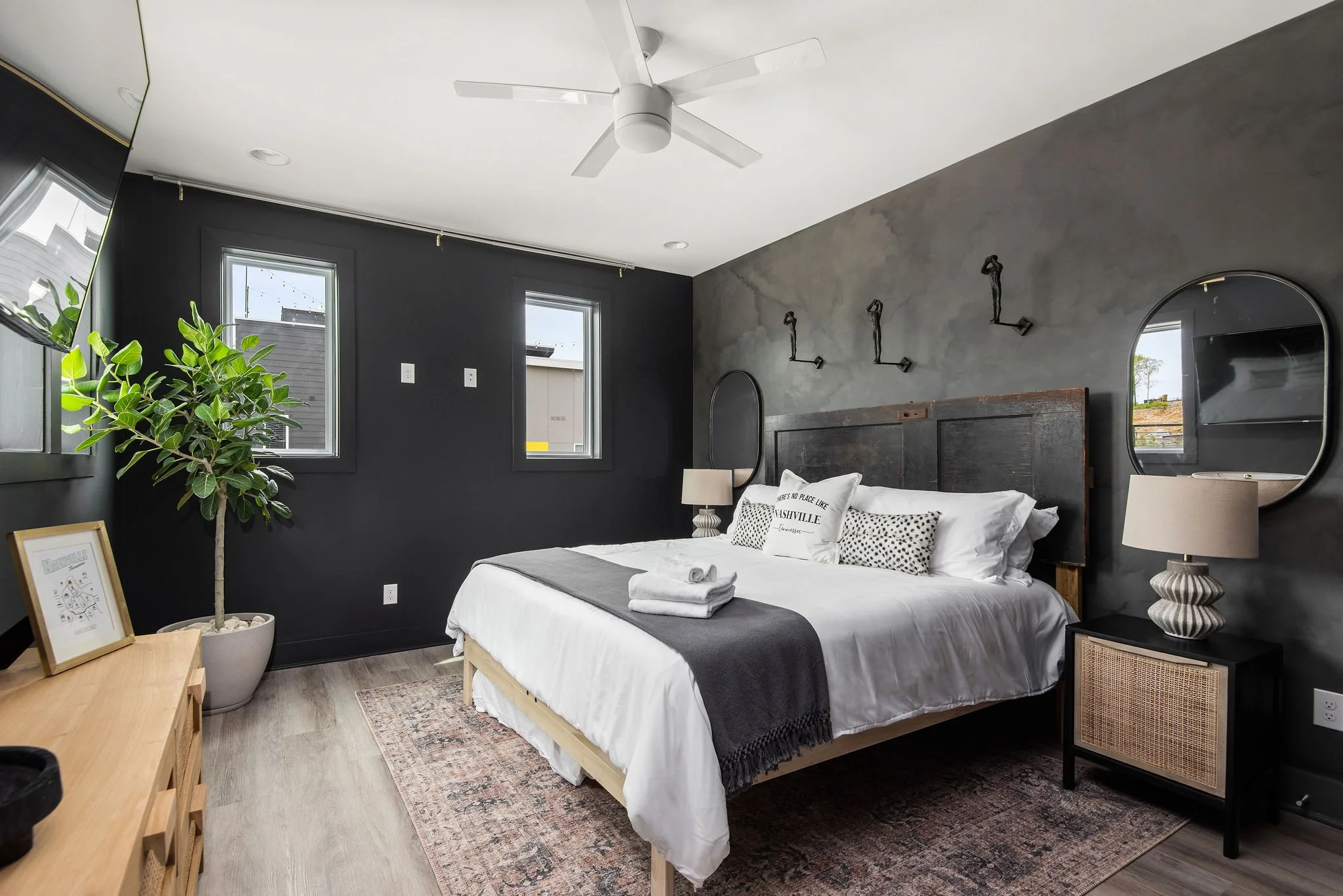
Next comes the look: color, pattern, texture, finishes, furniture, lighting and fixtures, all chosen to work together and to hold up to real use. This is where a durable performance fabric gets specified for a rental sofa, or a bold color-drenched wall becomes the anchor for a whole room. You can see that approach in our piece on color drenching.
4. Document the design
A designer turns ideas into something others can act on: plans, selections, specifications and drawings. At Evane Stoner Interiors, this comes together as a Design Plan, followed by up to two rounds of revisions. Our drawings communicate design intent; they are conceptual and not intended for architectural or engineering use.
5. Source and purchase
Many designers have access to trade vendors that are not open to the public. Once a Design Plan is approved, ESI sources and purchases materials and furnishings through trade-exclusive vendor accounts, with a purchasing deposit collected before orders are placed. Custom items cannot be cancelled once ordered, so they are confirmed carefully.
6. Coordinate and style
Deliveries, receiving, placement and the final styling that makes a space feel finished. In our East Nashville townhome project, the scope ranged from vertical and overhead storage and a motorcycle gear wall to lighting, a workout area and overall styling, finished with a final walkthrough and a toast.
What an interior designer does not do
This part gets skipped too often, and it is where expectations go sideways. Being clear about it is part of doing the job well.
- Architecture. Moving structural walls, additions and engineering belong with an architect or engineer. ESI does not provide architecture or landscape design. We are happy to collaborate with your architect.
- Contractor management, by default. We recommend contractors for fabrication and installation, but we do not select, manage or supervise contractors unless that is agreed in writing. Many designers work similarly, so always ask.
- Permits and approvals. Clients are typically responsible for permits, HOA approvals and similar sign-offs.
What "full service interior design" really means
"Full service" is one of the most used and least defined phrases in the industry. Generally it means the designer handles the project from planning through purchasing and installation, rather than handing you a plan to execute on your own. But the details vary widely from studio to studio.
When a designer says full service, ask:
- Does it include space planning and drawings, or only selections?
- Who handles ordering, tracking, receiving and delivery?
- Who manages contractors and trades, if anyone?
- Is installation and final styling included?
- How many revision rounds are part of the design phase?
- How are design time and purchasing billed?
The answers matter more than the label. For a full breakdown of fee models, read how much an interior designer costs.
Which do you need?
A decorator may be the right fit if your layout works, you are happy with your lighting and finishes, and you mainly want help with furniture, color and styling.
An interior designer is usually the better fit if the space does not function the way you need it to, you are furnishing from scratch, you are coordinating with contractors or an architect, or the project has commercial demands like a vacation rental, boutique hotel, bar or restaurant where durability and flow are non-negotiable.
If you are not sure, that is what a consultation is for. Describe your project and a good designer will tell you honestly whether you need them.
Frequently asked questions
What is the main difference between an interior designer and a decorator?
A decorator focuses on finishes, furnishings and styling within an existing space. An interior designer also works on how the space functions, including layout, lighting, materials and how the rooms are planned for the people using them.
Does an interior designer replace an architect?
No. Structural changes, additions and code-driven work belong with an architect or engineer. Evane Stoner Interiors does not provide architecture or landscape design.
What does full service interior design include?
It varies by studio. Typically it covers planning, design, selections, purchasing and coordination. Always ask whether contractor management, installation and permits are included, because those differ the most.
Does Evane Stoner Interiors manage contractors?
ESI recommends contractors for fabrication and installation but does not select, manage or supervise them unless that is agreed in writing.
Thinking about a project and want a straight answer on what kind of help it needs? Explore our interior design services, then contact us to start the conversation.
Keep reading
How Much Does an Interior Designer Cost? How Designers Charge
Hourly, flat fee, percentage, retainer: here is how interior designers charge, what each model means for you, and the questions to ask before you sign.
How to Prepare for an Interior Design Consultation
What to bring, what to expect and which questions to ask, so your first meeting with an interior designer is productive instead of polite small talk.
Themed Vacation Rentals in Nashville: How to Feel Authentic, Not Kitschy
A themed Airbnb can be the most memorable stay in a guest's trip or the most forgettable. Here is how we design Nashville themes that feel rooted and real.