Home / Journal / Working With a Designer
Working With a DesignerHow to Prepare for an Interior Design Consultation
An interior design consultation is part interview, part brainstorm and part reality check. Done well, you walk away knowing whether this designer is right for you, what the project could look like, and what it will take to get there. Done poorly, it is a pleasant hour that leaves you exactly where you started.
The difference is mostly preparation. Here is how to get ready, what to expect from the meeting, and the questions worth asking before you hire an interior designer.
Before the consultation: what to gather
You do not need a finished vision. You need enough information for a designer to understand the space, the people in it and the constraints around it.
- Photos of every room in scope. Take them in daylight from the corners so the whole room is visible. Include ceilings, floors, windows and any awkward bits.
- Rough measurements. Room dimensions, ceiling height and window placements are enough to start. If you have a floor plan, survey or builder drawings, bring them.
- Reference images with notes. Save photos you love and write one line on each about what caught your eye. Add a few you dislike. "Not this" is surprisingly useful.
- A keep list. Furniture, art, rugs or heirlooms that must stay. Designers can work with almost anything if they know about it on day one.
- How you use the space. Who lives or stays there, pets, kids, how often you entertain, where you work from home, what is not working right now.
- A working budget. It does not have to be precise. A range you are comfortable with helps a designer recommend where to invest and where to be strategic.
- Your timeline. A holiday, a listing date, a grand opening, a baby on the way. Dates shape what is realistic, especially for custom pieces.
- Any approvals you know about. HOA rules, historic district guidelines, landlord restrictions. Clients are typically responsible for permits and approvals, so it is good to know early.
If it is a rental or hospitality project
Add your guest count or capacity targets, how cleaning and turnovers work, and what tends to break or stain. For a vacation rental, a few of your past reviews can tell a designer more than a mood board. For a hotel, bar or restaurant, our guide to writing a hospitality design brief walks through what to prepare.
What to expect in the meeting
Every studio runs its consultations a little differently. In general, expect the designer to ask a lot of questions, to walk the space or review your photos, and to start reacting to what they see. A good consultation feels like a conversation, not a pitch.
You should leave with a clear sense of three things: whether your goals and the designer's strengths line up, what the scope of work would include, and how fees and purchasing would work. If you do not have those answers, ask before you leave.
How the process works at Evane Stoner Interiors
We think clients deserve a plain-English picture of how a project runs, so here is ours. You can read the longer version on our process page.
- Consultation. We talk through your space, your goals, your timeline and your budget. This is also where we discuss fees.
- Retainer. To begin design work, we collect a non-refundable retainer. It is not an extra charge on top of your project; it is applied as a credit against hourly billing.
- Hourly billing. Design services are billed at a standard hourly rate, with monthly invoicing, so you can see where time is going.
- Design Plan. We present a Design Plan for your space, followed by up to two rounds of revisions so the plan reflects how you live, host or operate.
- Purchasing. Once the Design Plan is approved, we can source and purchase materials and furnishings through trade-exclusive vendor accounts. A purchasing deposit is collected before orders are placed. Custom items cannot be cancelled once ordered, so we confirm those carefully.
- Contractors. We recommend contractors for fabrication and installation, but we do not select, manage or supervise contractors unless that is agreed in writing. We also do not provide architecture or landscape design. Our drawings communicate design intent and are not for architectural or engineering use.
That level of clarity is something you should expect from any designer you are considering, not just us.
Questions to ask an interior designer
These are the questions we would want a friend to ask before hiring anyone, including us.
About fit
- What kinds of projects do you most enjoy, and which do you take on most often?
- Can I see work similar to my project, or concepts that show how you think?
- How do you balance my taste with your own point of view?
About scope
- What exactly is included in the design phase, and what is delivered at the end of it?
- How many rounds of revisions are included?
- Do you handle purchasing, delivery and installation coordination?
- Do you manage contractors, or recommend them? Who is responsible for permits?
About money
- How do you bill: hourly, flat fee, percentage or a mix?
- Is there a retainer, and how is it applied?
- How do purchasing deposits work, and what happens if an item is delayed or discontinued?
- How will I know where the budget stands as we go?
About communication
- Who will I talk to day to day, and how quickly can I expect a reply?
- How do you prefer to share drawings, selections and approvals?
For a deeper look at fee structures, read how interior designers charge. If you are not sure whether you need a designer or a decorator, start with our explainer on the difference.
Red flags and green lights
Green lights: the designer asks more than they talk, explains fees without hedging, is clear about what they do and do not do, and is comfortable saying "that is not a good fit for us." Red flags: vague answers on billing, promises that sound too good, pressure to sign on the spot, or no clear explanation of how purchasing and revisions work.
Frequently asked questions
What should I bring to an interior design consultation?
Photos and rough measurements of the space, any floor plans you have, reference images with notes, a working budget, your timeline and a list of what must stay. Bring decision-makers, too.
What questions should I ask an interior designer?
Ask how they bill, what is included in the design phase, how many revisions are included, how purchasing works, whether they manage contractors, and who you will communicate with day to day.
Does Evane Stoner Interiors manage contractors?
ESI recommends contractors for fabrication and installation but does not select, manage or supervise them unless that is agreed in writing.
How are fees handled at ESI?
ESI bills hourly against a retainer that is applied as a credit toward hourly billing. Specific fees are discussed during the consultation.
Ready to talk through your space? Gather what you have, even if it is just a few photos and a hunch, and book a consultation with Evane Stoner Interiors. We will take it from there.
Keep reading
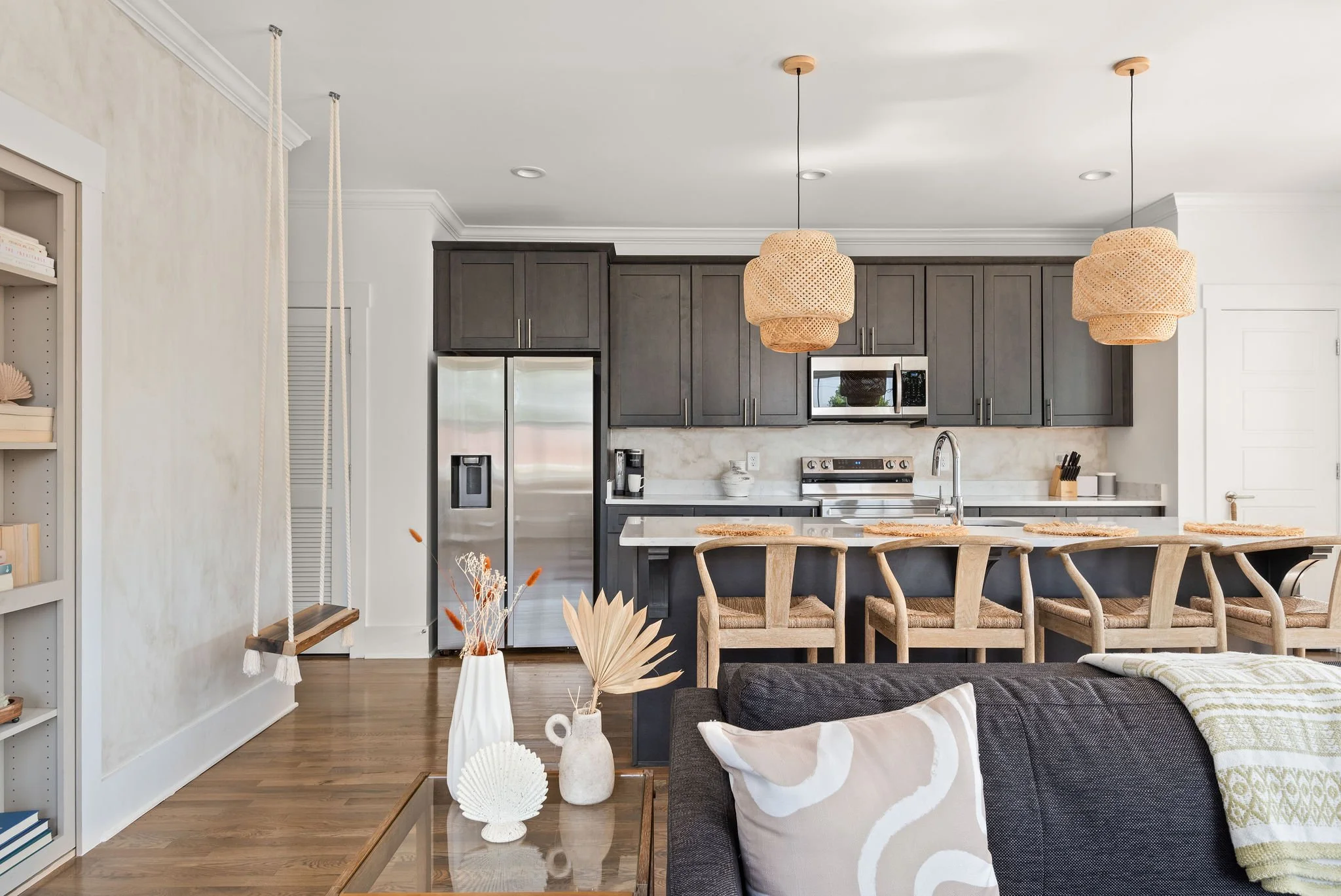
How Much Does an Interior Designer Cost? How Designers Charge
Hourly, flat fee, percentage, retainer: here is how interior designers charge, what each model means for you, and the questions to ask before you sign.
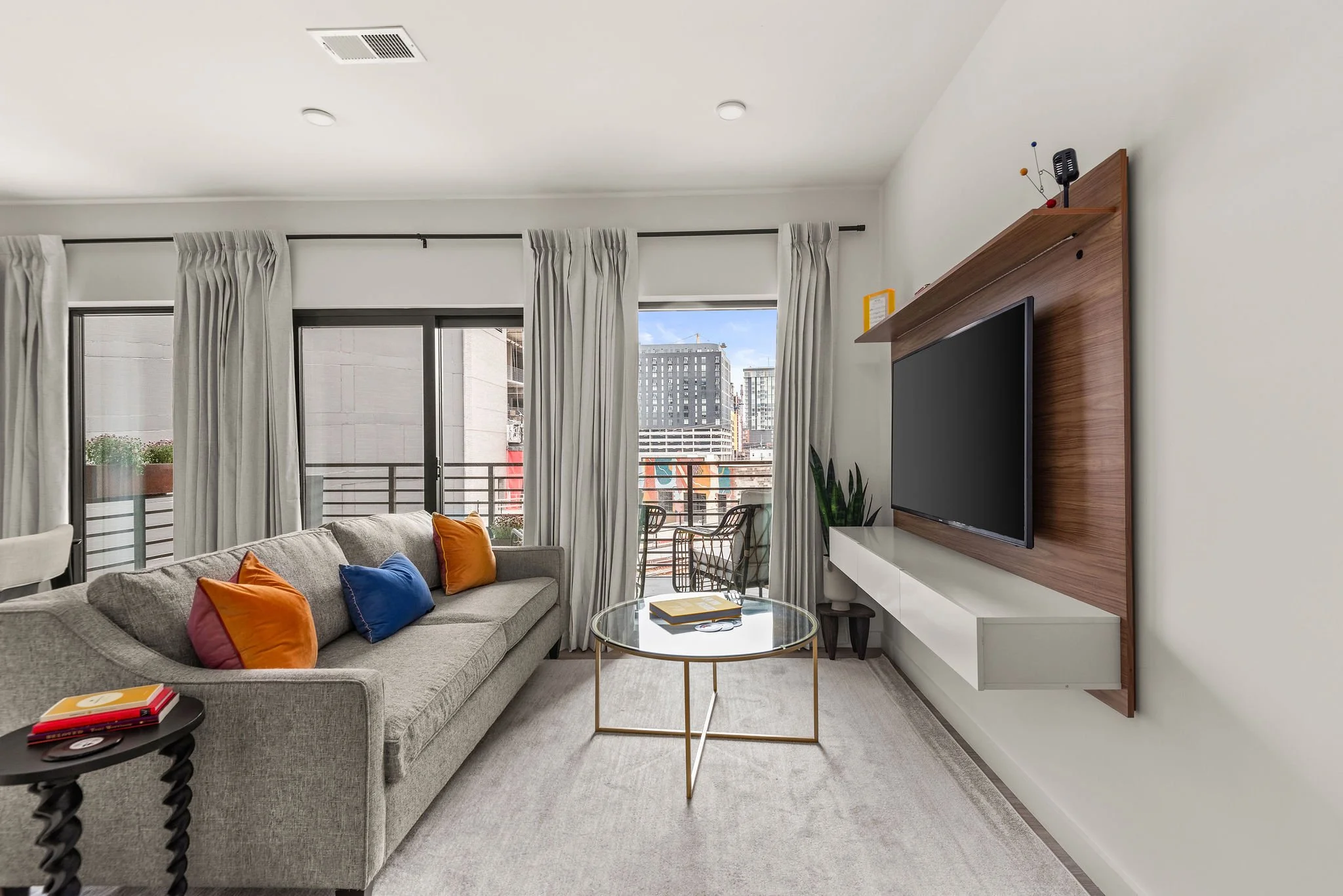
Interior Designer vs. Decorator: What an Interior Designer Actually Does
Designers and decorators overlap, but they are not the same. Here is what an interior designer actually does, what full service means, and how to pick the right help.

Themed Vacation Rentals in Nashville: How to Feel Authentic, Not Kitschy
A themed Airbnb can be the most memorable stay in a guest's trip or the most forgettable. Here is how we design Nashville themes that feel rooted and real.